From Dance Hall to Bedroom Speakers: The Changing Life of the Mixtape
The mixtape changed from a carefully sequenced physical gift to a portable listening format; learn what each shift changed about sharing and memory.
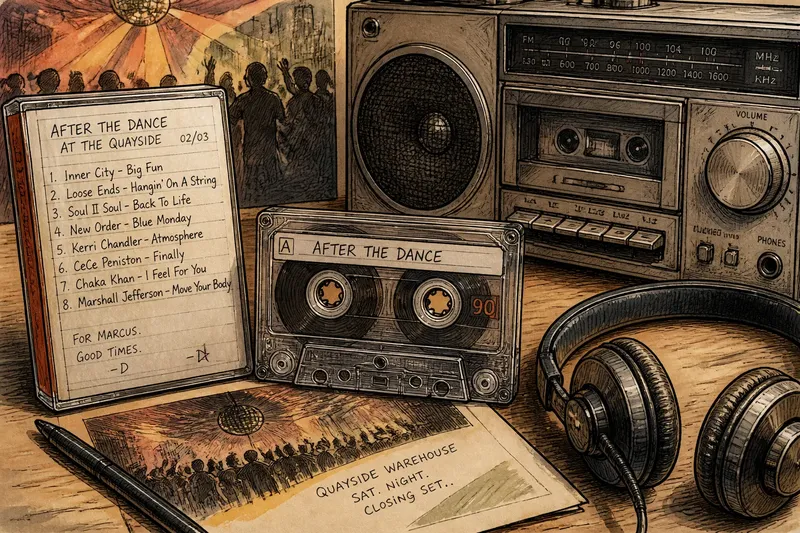
A mixtape could begin with a dance floor in mind: a run of songs chosen to hold a room together, then copied onto a cassette and carried elsewhere. The changing life of the mixtape is not just a change of equipment. It is a change in how listeners sequence music, address someone through it, and keep a record of a moment.
From cassette decks to bedroom speakers and digital playlists, the format has moved across settings without losing its central gesture: selecting one track after another so the order means something. These shifts are easier to understand as changes in use than as a simple story of old media being replaced by new.
How did the mixtape begin as a physical sequence?
A cassette mixtape made selection visible. The maker had to choose a side, fit songs into limited space, and decide what should follow what. A track fading into the next could create a different mood from a sudden change in pace. Rewinding, fast-forwarding, and listening to a side in order made sequence part of the experience.
The tape also had a body. A handwritten label, a decorated case, or a note folded into the sleeve could identify its purpose and its recipient. Those marks did not explain every choice; they gave the listener clues about how to approach the music. A tape handed over after a night out might preserve the energy of a shared room, while one mailed to a distant friend could carry songs chosen for private listening.
Making a physical copy took attention. The creator listened for timing, checked the recording, and accepted that a mistake might be difficult to remove cleanly. That effort gave the object a particular weight: someone had spent time arranging a listening experience, and the recipient could hold it, lend it, or return to it later.
What changed when dance-floor selections moved home?
Music chosen for a crowded venue had to meet the conditions of that venue: a moving audience, a sound system, and a sequence built to sustain collective attention. When that sequence traveled to a home stereo or bedroom speakers, the listener could hear it differently. The same tracks might accompany cleaning, studying, getting ready, or simply sitting with headphones.
This shift did not erase the dance-floor purpose. It gave a set another life after the event. A listener could replay a favorite transition, notice a vocal detail missed in a loud room, or use the sequence to recall the company and atmosphere around it. The mixtape became both a collection of music and a portable trace of where listening had happened.
Imagine a listener who leaves a community dance with a cassette copied by a friend. At home, they play it on a small stereo and write the venue name on the label; later, the tape prompts them to remember the room’s closing set. The observable result is not a perfect reproduction of the event, but a personal object that connects home listening to a shared night.
Why did cassette limits shape the maker’s choices?
A cassette’s fixed sides made duration and order practical decisions. The maker could not treat every song as an isolated selection: a long track affected what else would fit, and the end of a side interrupted the sequence. That constraint could prompt a deliberate split, with a change in mood or energy placed where the listener would turn the tape over.
Recording also meant making choices about sound. A maker might use two cassette decks, a tape recorder, or a stereo with a recording function, depending on what was available. Moving between sources could bring differences in volume or fidelity, so the sequence had to work as a whole rather than as a stack of interchangeable files.
These limits were not automatically virtues. They could make a tape awkward to use or leave a favorite song out. But they made editing tangible: each addition displaced another possibility, much as arranging objects in a small drawer forces a choice about what belongs there.
How did mixtape sharing become more personal?
A tape often had a clear recipient, even when its maker did not explain the selections. Song order could act as a message: a familiar track might establish common ground, while an unexpected one could invite a reply. The recipient might hear a confession, a joke, a mood, or simply a recommendation, depending on the relationship.
Sharing also involved a social exchange beyond the music. The tape might be borrowed and copied, passed among friends, or returned with comments. Unlike a public broadcast, it usually traveled through a small circle whose members supplied context. A title or handwritten note could guide interpretation, but the listener still had room to make the sequence their own.
That intimacy did not mean every tape was a declaration. Some were made for practical reasons, such as keeping favorite songs together or giving a friend music for a trip. The format’s flexibility let the same object serve as gift, personal archive, introduction, or reminder without changing its basic form.
What does the mixtape become on digital platforms?
Digital playlists preserve sequencing while loosening the physical constraints. A listener can add or remove tracks without making a new cassette, change the order quickly, and share a link rather than a recorded object. The sequence can travel between a phone, a computer, and a speaker, so its setting is less fixed than a tape’s.
That convenience changes what a playlist communicates. A link can be sent immediately, revised after sharing, or opened by someone who has no cassette player. But the recipient may encounter it amid other notifications and saved music. The playlist’s place in a crowded library can feel different from a labeled tape handed over as a distinct object.
Digital listening also makes personal sequences easier to keep private. A playlist can be made for a commute, a difficult afternoon, or a recurring household task without being addressed to anyone else. The mixtape’s personal character survives, but it may be expressed through repeated use rather than a physical gift.
What do listeners still ask about mixtapes?
Is a playlist the same as a mixtape?
A playlist can serve the same purpose when its order creates a listening experience for a person or occasion. The main difference is that a digital playlist is easy to edit and share, while a cassette carries a fixed recording and a physical form.
Why does song order matter on a mixtape?
Order shapes how one track prepares the listener for the next. A sequence can build energy, change the mood gradually, or make a particular song feel like an answer to what came before.
Can a mixtape be made without a cassette?
Yes. A playlist, a folder of audio files, or another ordered collection can carry the same personal intent. A cassette is one version of the format, not the only way to make a sequence for someone.
What makes a mixtape feel personal?
Specific selection, thoughtful order, and a reason for sharing can make the collection feel addressed to someone. A short note explaining its occasion can help, but the listener’s own associations also shape its meaning.
How can you make a sequence that carries a memory?
Start with the listening situation, not with a demand to include every favorite song. Decide whether the sequence is for a room, a journey, a quiet stretch at home, or a particular person. Then choose tracks that fit that setting and arrange them so the transitions feel intentional.
- Write down the moment or mood you want the sequence to hold.
- Choose a small group of tracks that connect to that purpose.
- Listen to the order from beginning to end and notice abrupt changes.
- Move a track if it interrupts the pace or makes a later song land differently than intended.
- Add a title or brief note that gives the recipient a useful clue.
- Keep a copy of the finished sequence if you want to revisit the original order later.
Say you are making a digital sequence for a friend who is moving out of a shared apartment. You choose songs tied to ordinary evenings there, place a lively track near the start, and finish with one that suggests a quieter goodbye; after listening through, you notice the ending feels too abrupt, so you add a song that gives the final track room to settle. The result is a shareable playlist whose order points back to a specific place and relationship.
The changing life of the mixtape shows how a format can travel while its social purpose shifts. A cassette made for a dance hall, a tape replayed in a bedroom, and a playlist sent across a phone all ask the maker to choose what comes next. If you keep the sequence and its occasion together, even a digital collection can remain a useful record of who was listening, where they were, and what they wanted to remember.